
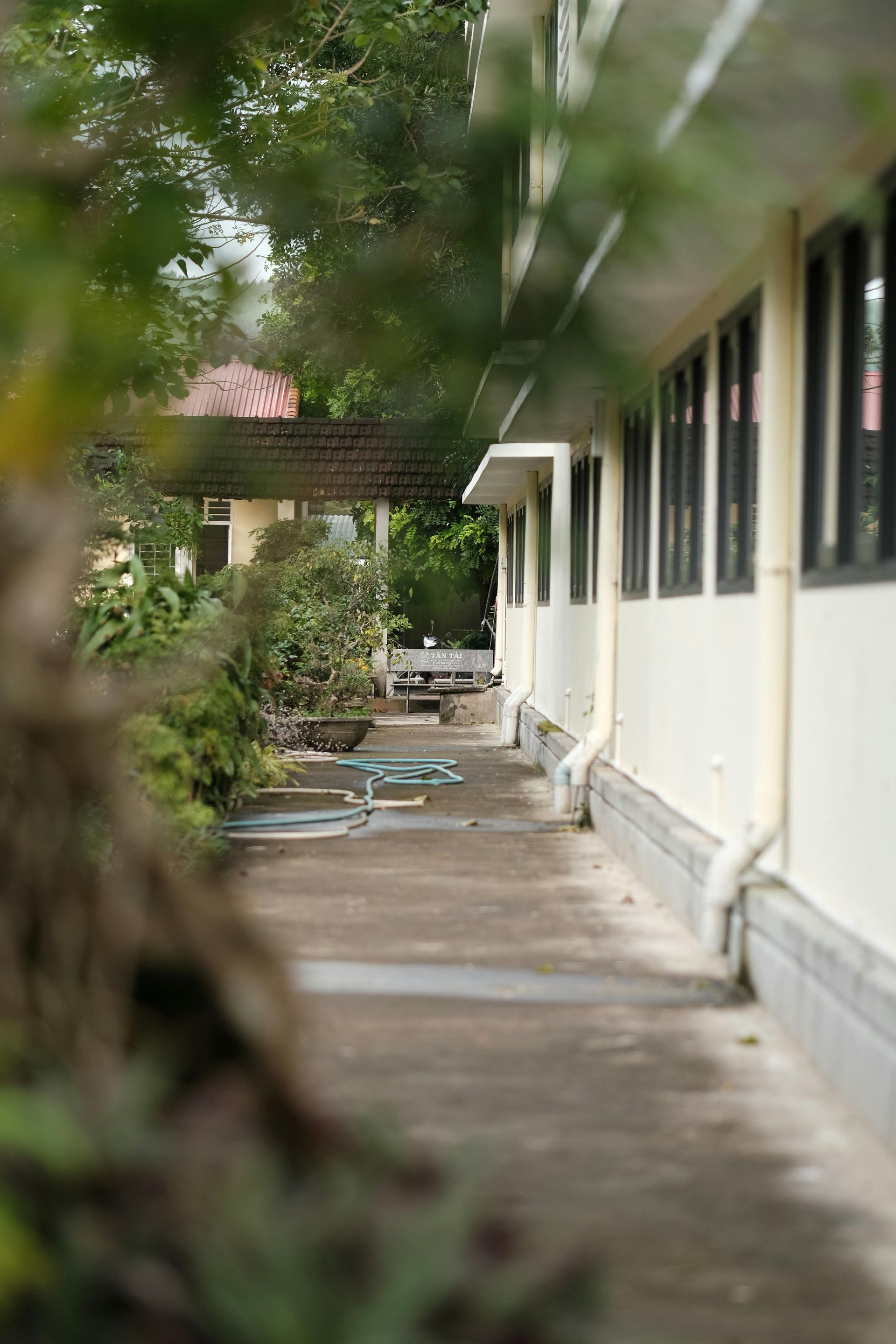
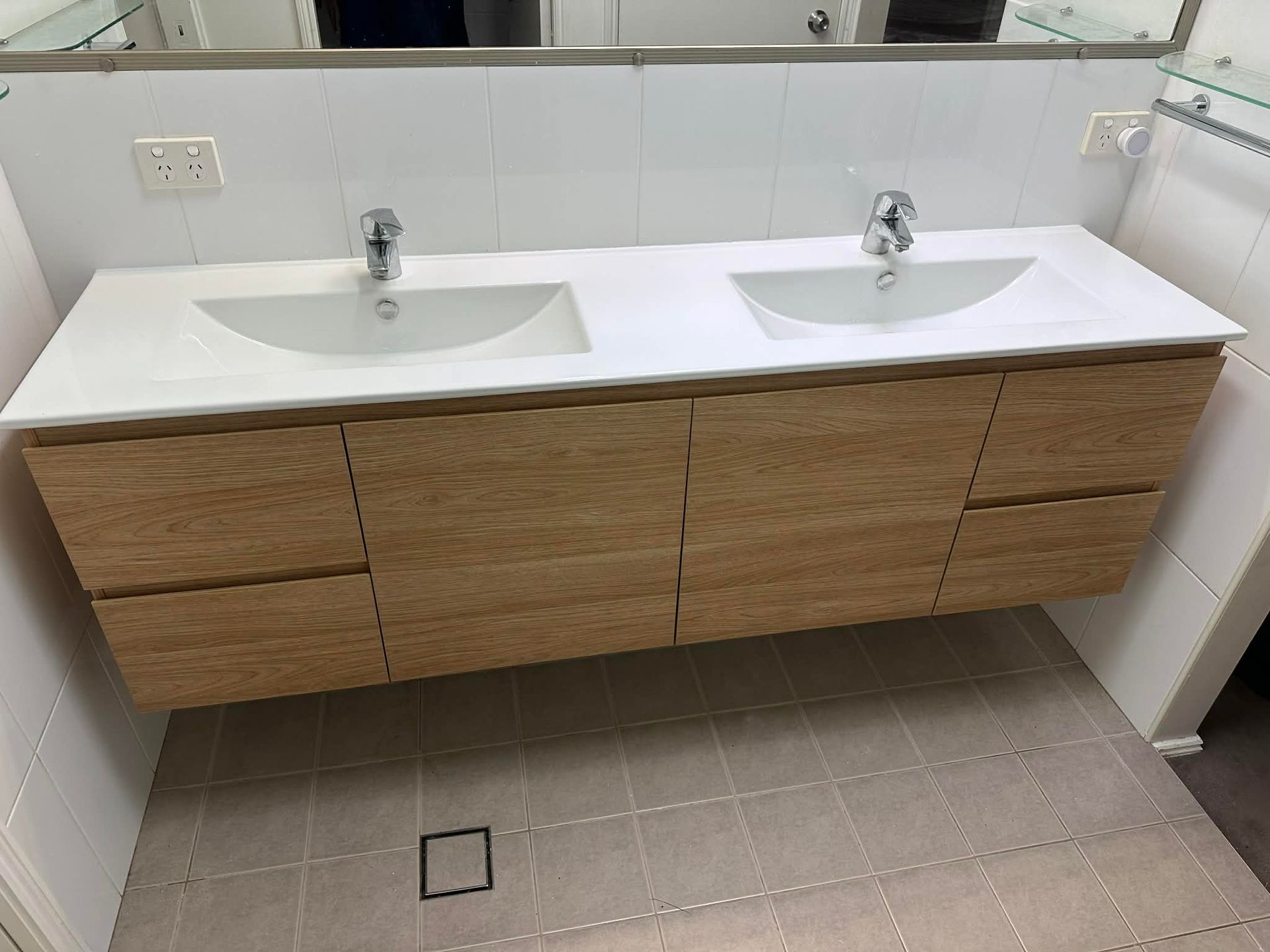
Planning a bathroom reno? Discover how a bathroom renovation increases property value, improves efficiency, and fixes hidden plumbing issues on the Central Coast.
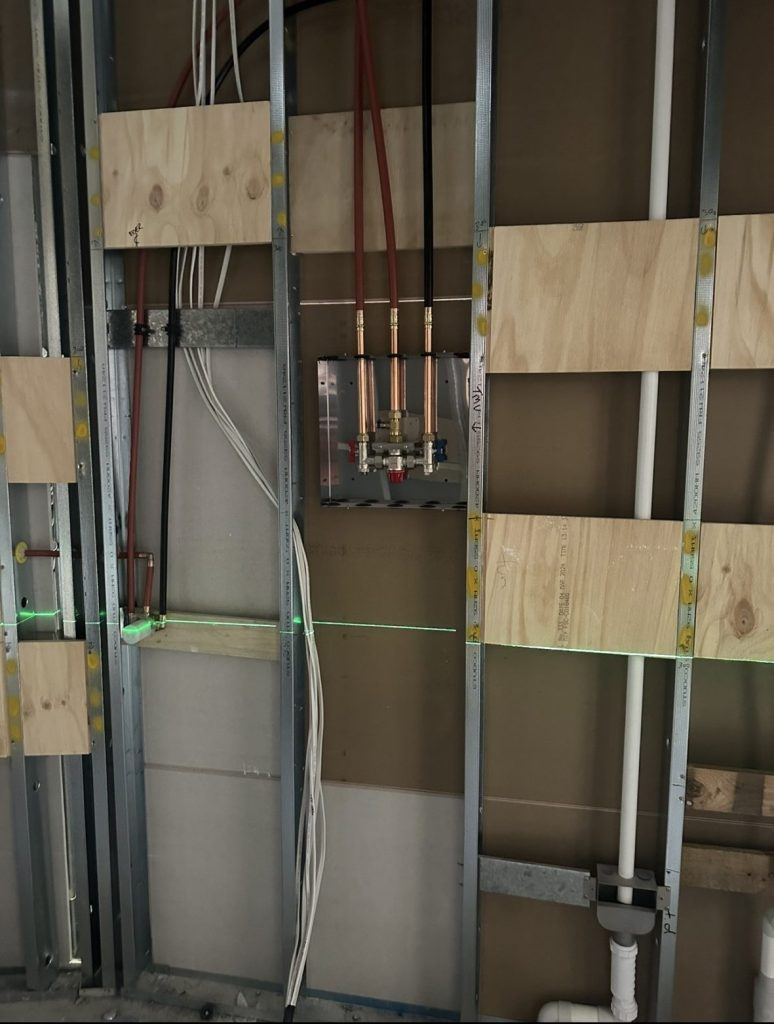
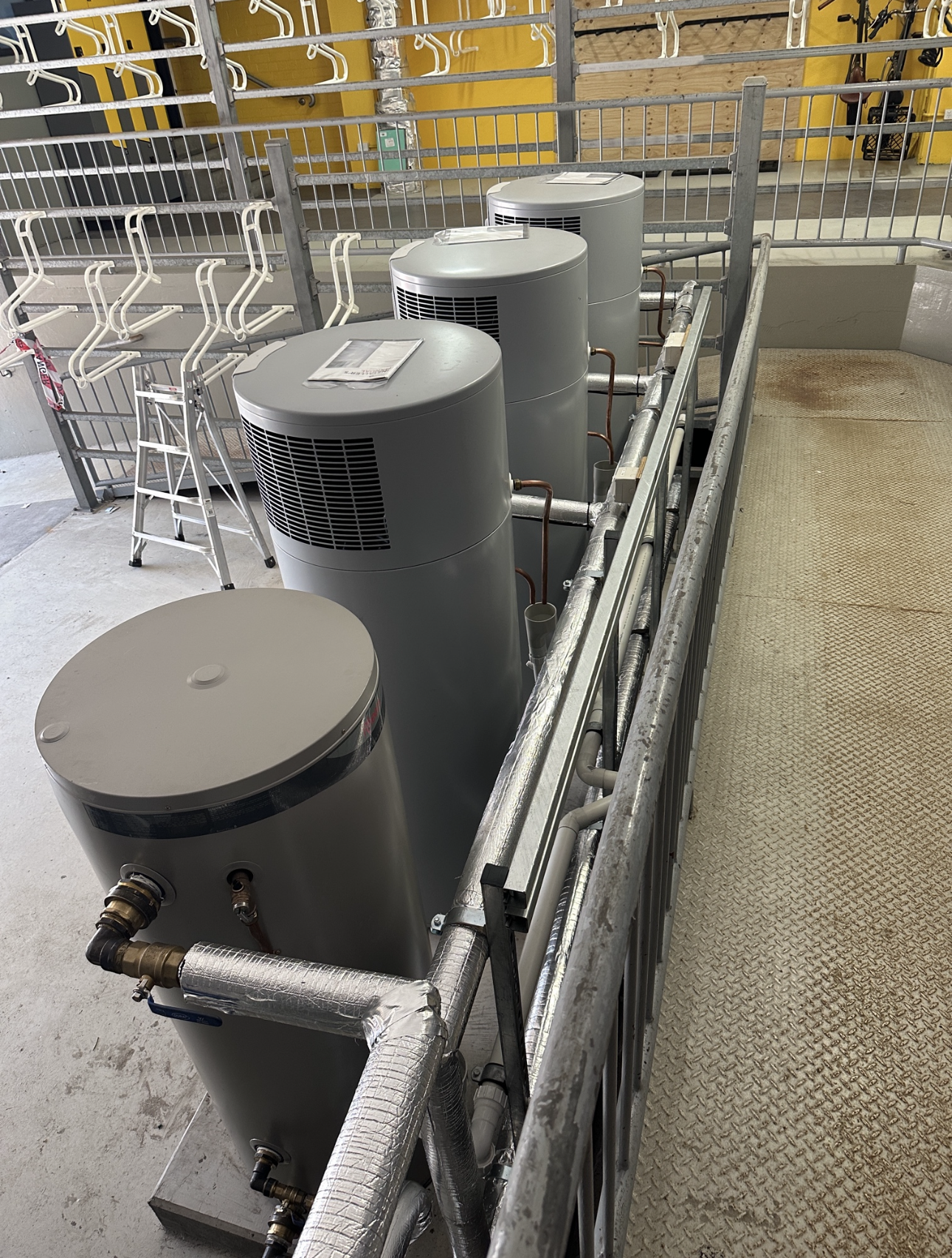
Learn how to choose the right hot water system for your home. Contact Clays Plumbing for expert advice on gas, electric, & heat pump options.
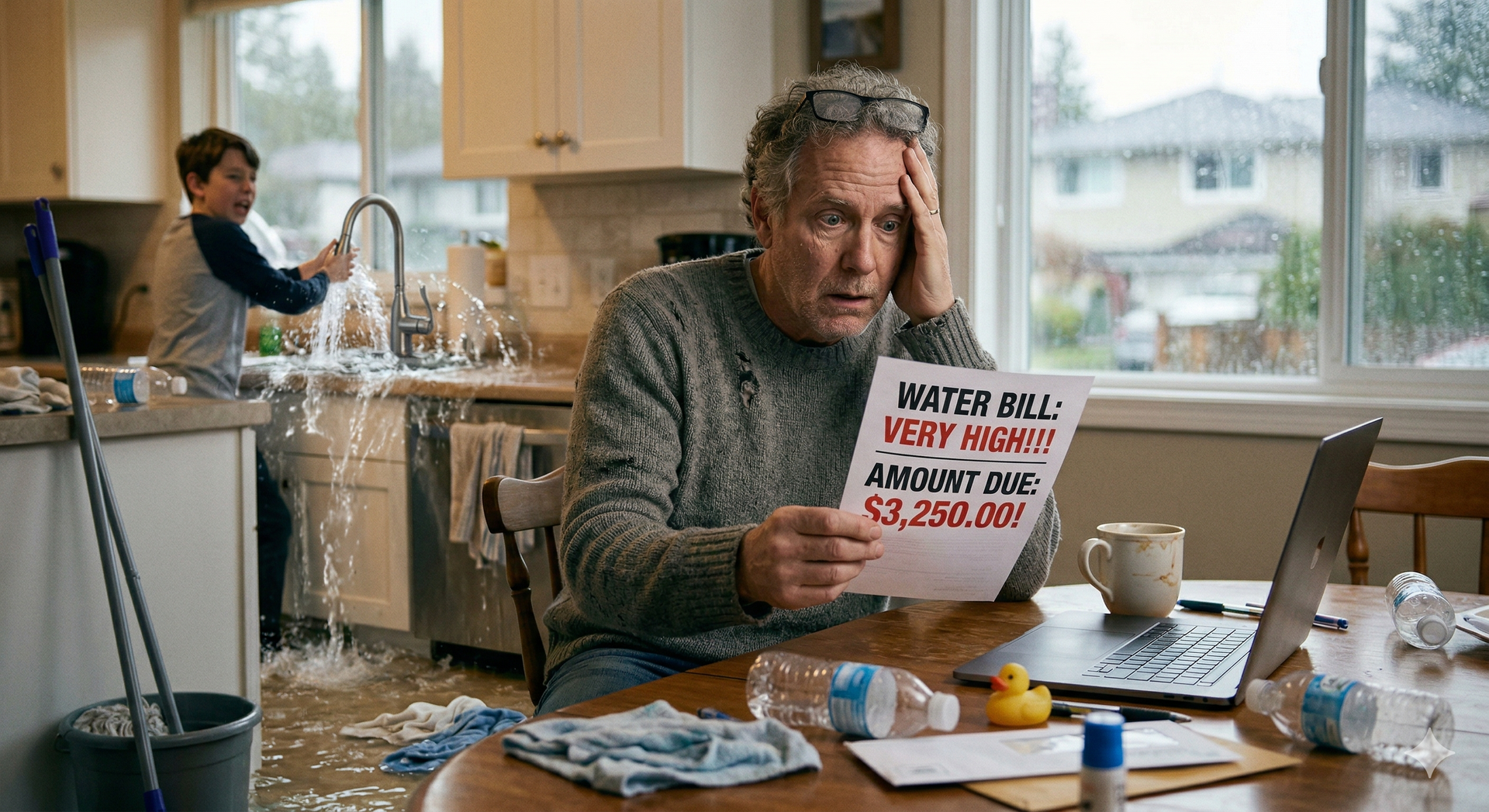
There’s nothing quite like the "bill shock" of opening your latest water rates from Central Coast Council only to find a sudden, unexplained spike in your water usage.
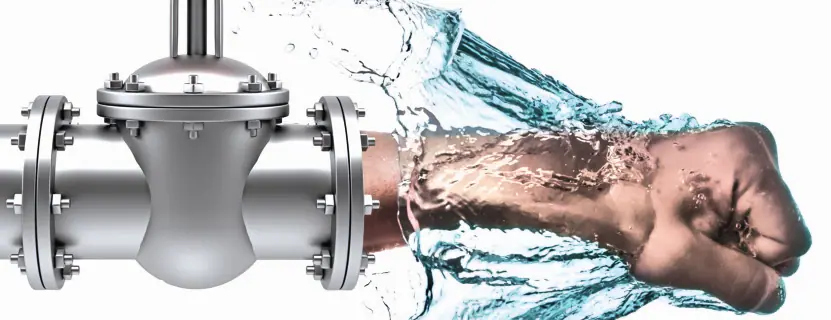
Tired of noisy pipes? Clays Plumbing explains common water hammer questions, causes, and how our Central Coast plumbing experts can fix it for good.
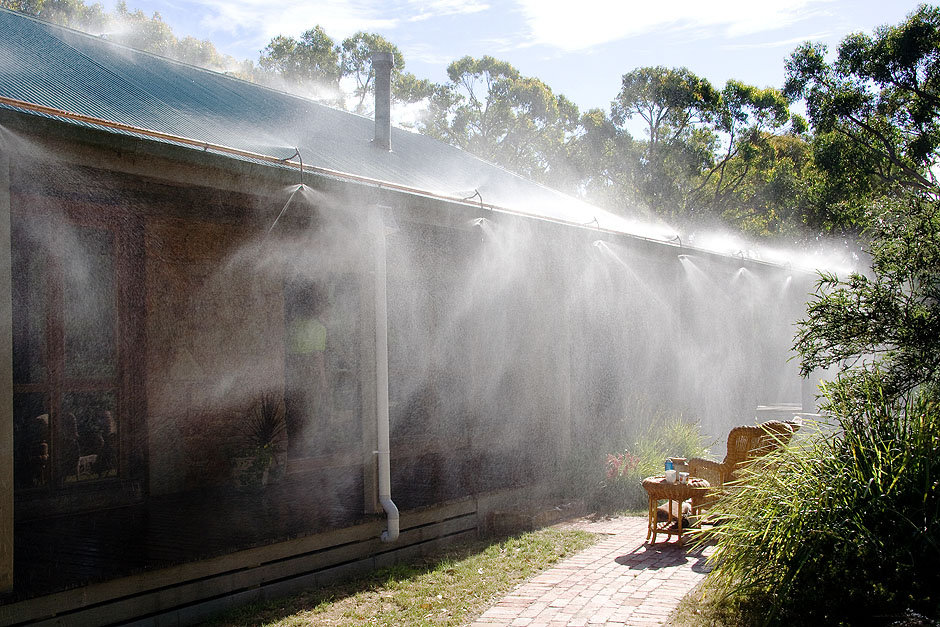
Living on the Central Coast is a dream. We’ve got the best beaches in NSW and beautiful bushland right at our backdoors. But as any local knows, that beauty comes with a serious risk during summer: Bushfires. If you’re living in a danger zone, whether you're up near the Watagans, tucked away in Matcham/Holgate, or backing onto reserves in Umina or Kariong, you know the anxiety that comes with a "Catastrophic" fire danger rating. While clearing gutters and mowing lawns is essential, there is a powerful active defense many everyday homeowners overlook: Exterior Bushfire Sprinkler Systems. Here is what they are, how they work, and why you need a professional to get it right.
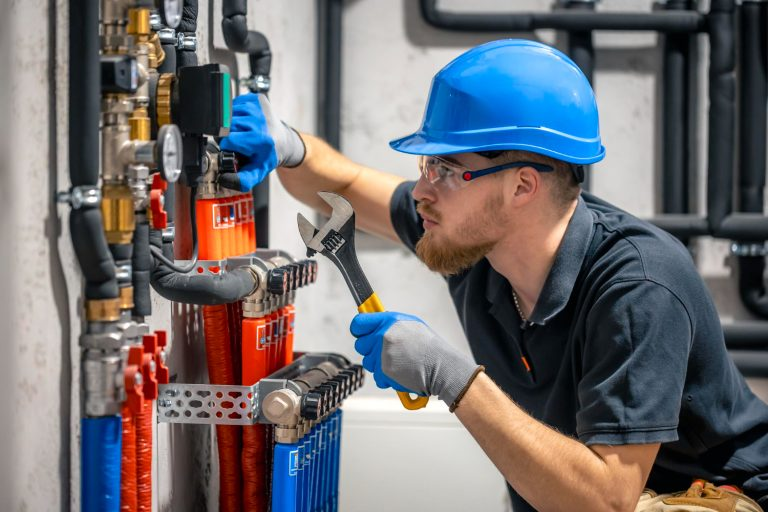
Gas is efficient, reliable, and essential in many Central Coast and Lake Macquarie homes — but it can also be extremely dangerous when something goes wrong. At Clays Plumbing, we’ve seen how quickly a minor fault can turn into a life-threatening emergency. Knowing the warning signs early could protect your family, your property, and your peace of mind. Here are the top 5 signs you need a licensed gas fitter in the Central Coast right now.
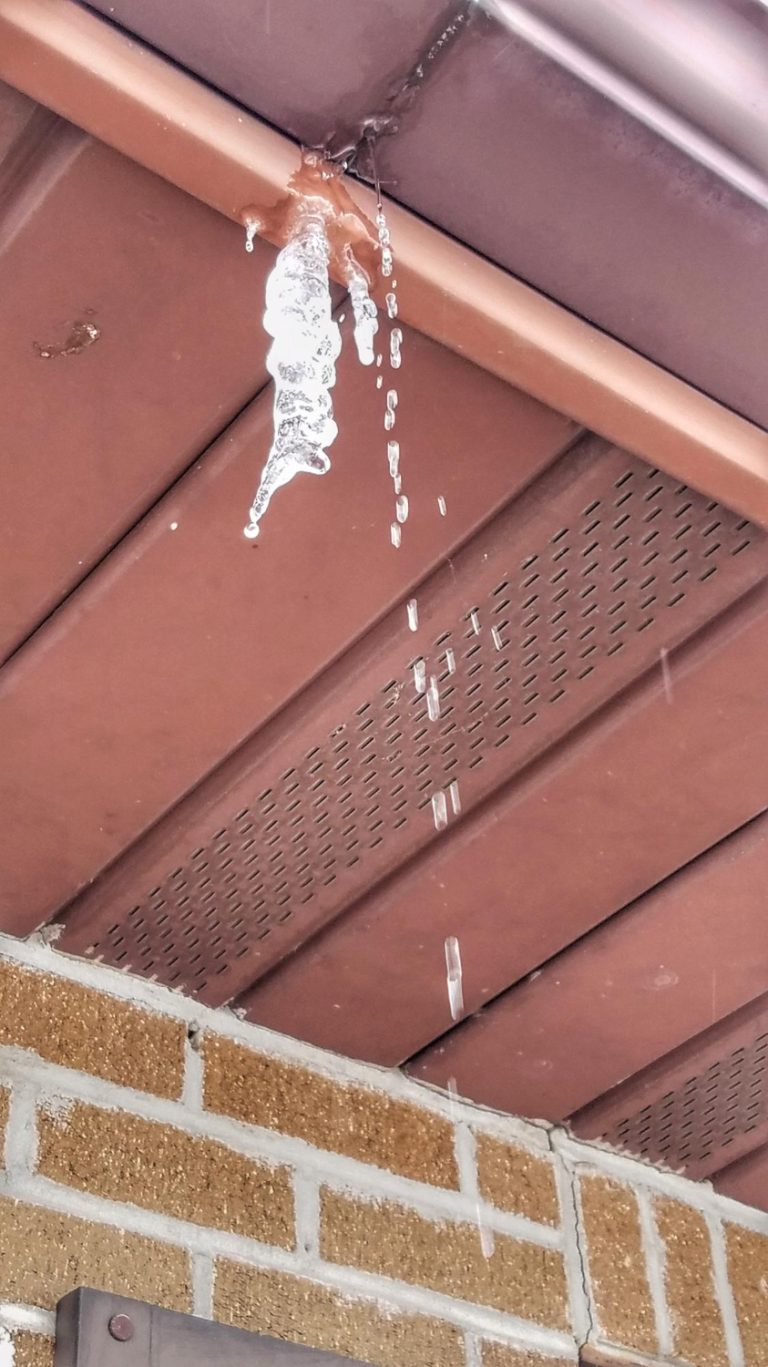
Water leaks can be sneaky — often silent, invisible, and incredibly destructive. What starts as a tiny hidden drip inside your walls or under your slab can turn into thousands of dollars in damage if ignored. At Clays Plumbing, we’ve seen it all: flooded foundations, mould-infested walls, and skyrocketing water bills — all caused by leaks that homeowners didn’t know were there. That’s why knowing how to spot the signs early is essential. Here’s how to protect your home with proactive leak detection and repairs.
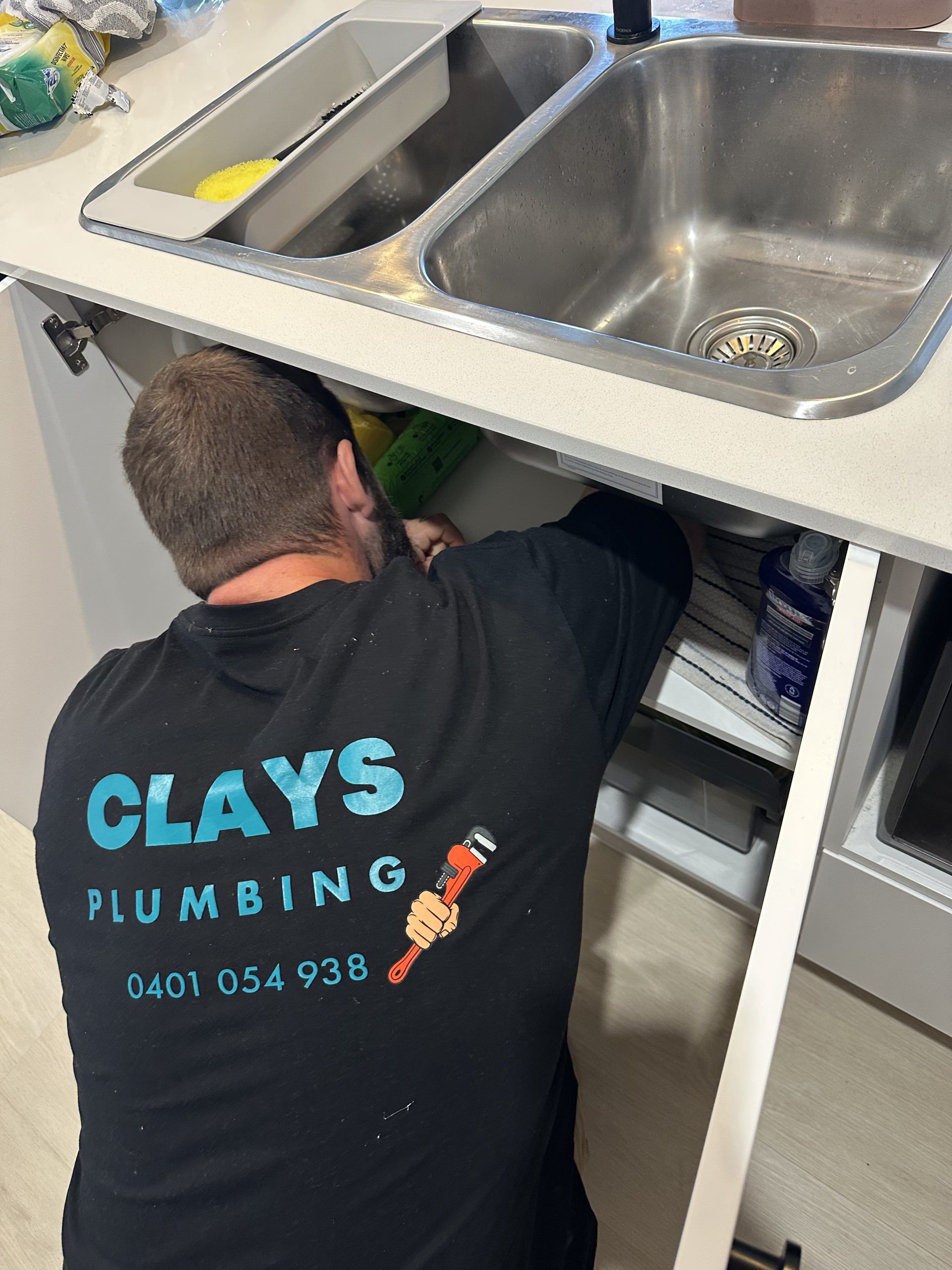
Plumbing is one of those things you don’t think about… until it goes wrong. A small leak, blocked drain, or worn-out tap can quickly become a messy (and expensive) problem — especially in older Lake Macquarie homes. That’s why regular general maintenance is so important. By doing a few simple DIY checks and calling in help when needed, you can avoid plumbing disasters, save money, and extend the life of your home’s systems. At Clays Plumbing, we’ve created this quick home plumbing checklist to help you stay ahead of problems.
Plumbing problems can strike without warning - and when they do, they can cause massive damage fast. Knowing what counts as a true plumbing emergency can protect your home and save you from costly repairs. At Clays Plumbing, we’ve handled countless urgent callouts across the Central Coast and Lake Macquarie, and we know how critical it is to act quickly and safely before help arrives. This guide explains which problems require emergency plumbing services, and what you can do right now to reduce the damage.
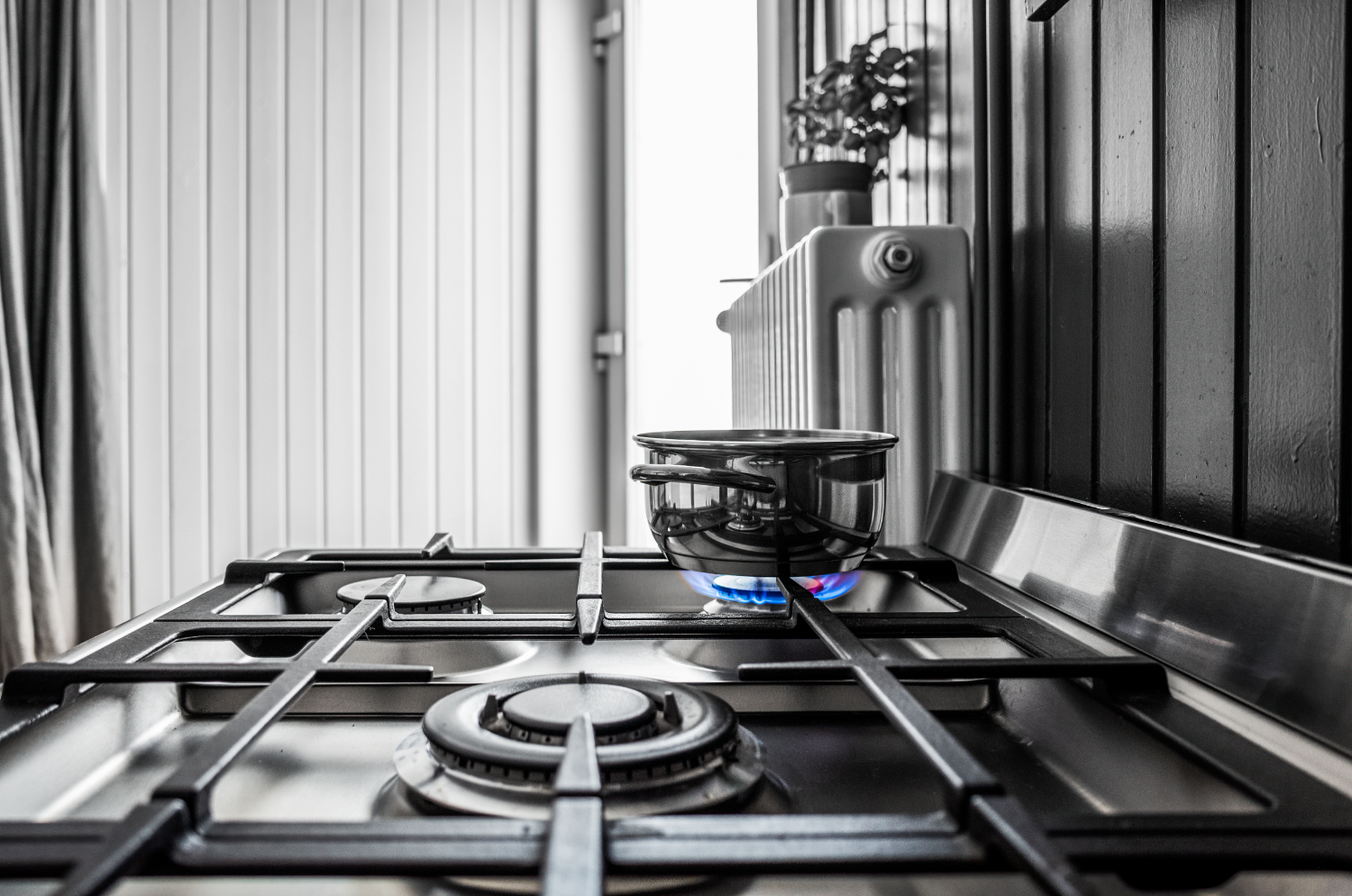
A Practical Pre-Install Guide from the Gas Experts at Clays Plumbing